
Premium Dried Chili Pods: Authentic Flavor & Heat
Dec. 5, 2025
In the rapidly evolving global food, pharmaceutical, and specialty chemical industries, the demand for superior quality raw materials is paramount. Among these, the dried chili pod stands out as a critical component, valued for its potent flavor, natural colorants, and active biochemical compounds. As a B2B supplier, understanding the nuances of sourcing, processing, and delivering this essential ingredient can significantly impact product quality, market competitiveness, and brand reputation. This article delves into the technical specifications, application advantages, and strategic considerations for industrial-grade chili pepper pods, specifically focusing on the advanced offerings like Xuri Chili’s new generation products.
The market for dehydrated capsicum products is experiencing significant growth, driven by consumer preferences for natural ingredients, authentic flavors, and the expanding reach of global cuisines. Industrial buyers seek not just heat, but consistency, purity, and adherence to stringent food safety and quality standards, making the choice of supplier for dried chili pod a strategic decision.
The global market for chili and capsicum products is projected to grow consistently, fueled by several key trends. Consumers are increasingly favoring natural and clean-label ingredients, pushing demand for responsibly sourced and minimally processed chili pepper pods. Health and wellness trends also contribute, as capsaicinoids, the active compounds in chili, are recognized for their potential health benefits, including pain relief and metabolic support. Furthermore, the expansion of ethnic food markets and the innovation in processed food products globally underscore the rising importance of this versatile ingredient.
- Clean Label Preference: Growing demand for dried chili pod that is free from artificial colors, flavors, and preservatives.
- Sustainable Sourcing: Emphasis on ethical and environmentally responsible cultivation practices, ensuring traceability from farm to factory.
- Standardized Heat Units: Industrial buyers require precise Scoville Heat Unit (SHU) measurements to ensure product consistency in their formulations.
- Emergence of Exotic Varieties: Increasing interest in specific chili varieties for unique flavor profiles beyond just heat, such as ancho, guajillo, or habanero.
- Advanced Processing Technologies: Innovations in drying and grinding techniques that preserve the organoleptic qualities and nutritional integrity of the dried chili pod.
These trends necessitate that suppliers like Xuri Chili not only meet current quality benchmarks but also innovate to anticipate future market demands, ensuring the highest standards of safety, quality, and sustainability across their product range.
The production of high-quality industrial dried chili pod involves a meticulous, multi-stage process designed to preserve flavor, color, heat, and ensure microbial safety. Xuri Chili’s new generation chili pepper pods undergo a stringent process adhering to international food safety standards (e.g., ISO 22000, HACCP, FDA guidelines).
1. Sourcing & Selection
High-grade chili varieties (e.g., Red Pepper, Bird’s Eye, Habanero) are selected from certified farms. Raw materials are inspected for maturity, absence of pests, and initial moisture content.
2. Washing & Cleaning
Chili pods undergo thorough washing to remove soil, debris, and surface contaminants. Advanced washing systems with filtered water minimize microbial load.
3. Slicing & Preparation
For optimal drying efficiency and subsequent processing, pods are often sliced or split, increasing surface area for moisture evaporation.
4. Controlled Drying
Utilizing industrial-scale dehydrators, chili pods are dried at precise temperatures and humidity levels. This critical step reduces moisture content to below 8%, inhibiting microbial growth and ensuring a long shelf life, while preserving capsaicin, color, and aroma. Our methods minimize oxidation.
5. Quality Control & Testing
Post-drying, samples are rigorously tested for moisture, microbial counts (aerobic plate count, yeast & mold, E. coli, Salmonella), aflatoxins (B1, B2, G1, G2), Scoville Heat Units (SHU), color (ASTA values), and rehydration ratio, adhering to ISO 22000 and ANSI standards.
6. Sorting & Packaging
Dried pods are sorted by size, color, and quality. They are then packed in food-grade, airtight, moisture-proof materials to maintain freshness and prevent contamination during storage and transit. Typical packaging includes bulk bags (25kg, 50kg) or customized formats.
This meticulous process ensures a minimum service life (shelf life) of 24 months when stored under optimal conditions, a critical factor for target industries such as food manufacturing (sauces, seasonings, snacks), nutraceuticals, and flavor extraction.
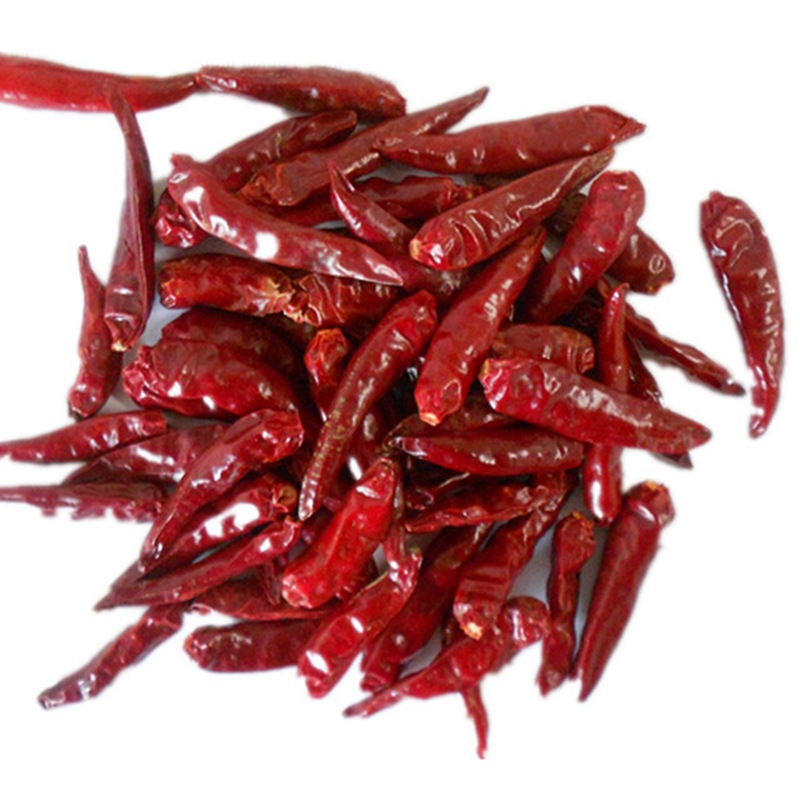
Image: A glimpse into the rigorous sorting process ensuring only premium dried chili pod reach our clients.
Our new generation dried chili pod is engineered to meet the stringent demands of industrial applications, providing unparalleled consistency and quality. Below are typical specifications for our premium product range. These parameters are vital for product formulation and quality control in client operations.
| Parameter | Specification | Method/Standard |
|---|---|---|
| Chili Variety | Multiple varieties (e.g., Chao Tian, Bullet, S22, Habanero) | Visual/Botanical ID |
| Scoville Heat Units (SHU) | Customizable from 10,000 to >100,000 | HPLC Method |
| Moisture Content | < 8% | AOAC 925.09 |
| Total Ash | < 7% | AOAC 900.02 |
| Acid Insoluble Ash | < 1% | AOAC 970.27 |
| Extraneous Matter | < 1% | Visual Inspection |
| Color (ASTA Units) | Customizable (e.g., 60-140) | ASTA Method 20.1 |
| Microbial Load (TPC) | < 10^5 cfu/g | ISO 4833-1 |
| E. coli | Absent/Negative in 1g | ISO 16649-2 |
| Salmonella | Absent/Negative in 25g | ISO 6579-1 |
| Aflatoxins (Total) | < 10 ppb (B1 < 5 ppb) | HPLC-FLD |
| Sulfites (as SO2) | < 10 ppm | Monier-Williams |
| Shelf Life | 24 months (under optimal storage) | Storage Stability Test |
These precise specifications enable our clients to achieve consistent product profiles, reduce batch variation, and comply with international food safety regulations, critical for the high-volume production of the new generation dried chili pod.
The advantages of using high-quality industrial dried chili pod from a reputable supplier extend beyond mere heat. These products offer significant technical and operational benefits across diverse industries.
- Consistent Potency & Flavor Profile: Our advanced drying and quality control methods ensure that each batch of chili pepper pods delivers a predictable SHU level and a stable aromatic profile, essential for maintaining brand consistency in end products.
- Enhanced Microbiological Safety: Rigorous testing for pathogens and mycotoxins (e.g., aflatoxins) minimizes food safety risks, reducing batch rejections and safeguarding consumer health.
- Extended Shelf Life: Low moisture content and optimal packaging contribute to a significantly longer shelf life, reducing waste, optimizing inventory management, and preventing degradation of active compounds.
- Superior Rehydration Properties: Our drying techniques preserve cellular structure, allowing for faster and more complete rehydration, crucial for applications requiring reconstitution.
- Cost-Effectiveness & Efficiency: Concentrated flavor and heat mean less product is needed to achieve desired results, leading to cost savings in formulation. Furthermore, the stable nature of dried chili reduces energy consumption compared to fresh chili processing by end-users, simplifying handling and reducing spoilage.
- Natural Pigmentation & Antioxidant Benefits: The natural carotenoids in chili pods provide stable, vibrant color and contribute antioxidant properties, valuable in both food and cosmetic applications.
- Food Processing: The primary sector, including manufacturers of hot sauces, seasonings, spice blends, marinades, snack foods, ready meals, and processed meats. Our dried chili pod provides the foundational heat and flavor.
- Nutraceuticals & Pharmaceuticals: Extraction of capsaicin for pain relief topical creams, dietary supplements for metabolic support, and other health-focused formulations.
- Flavor & Fragrance Industry: As a raw material for creating complex flavor profiles and natural extracts used in various industrial applications.
- Animal Feed: Inclusion in specialized animal feed for digestive health or as a natural insect repellent.
- Cosmetics & Personal Care: Limited use in products where the warming sensation or antioxidant properties of capsaicin are desired.
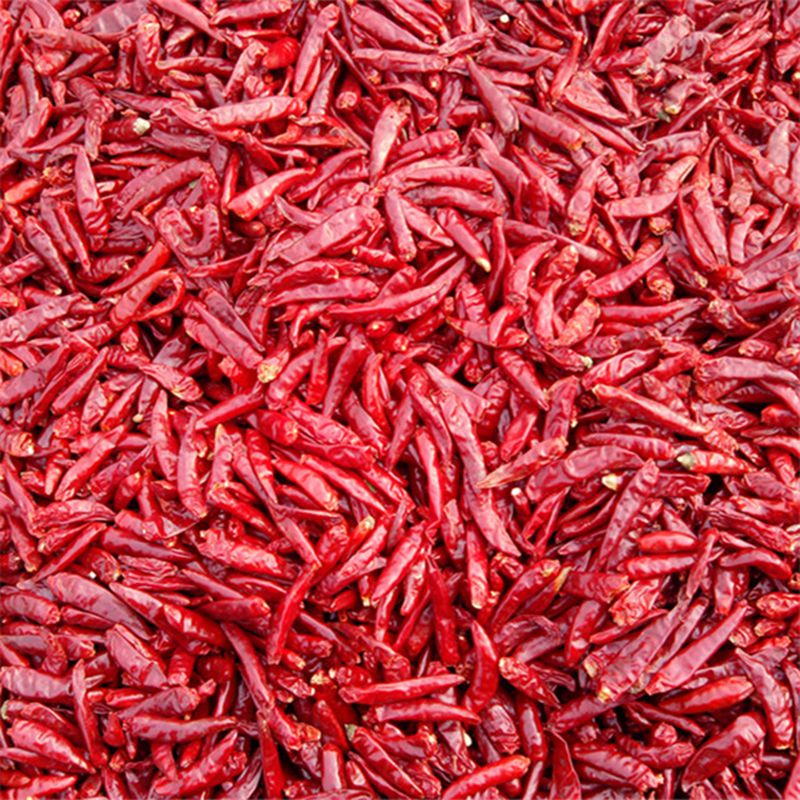
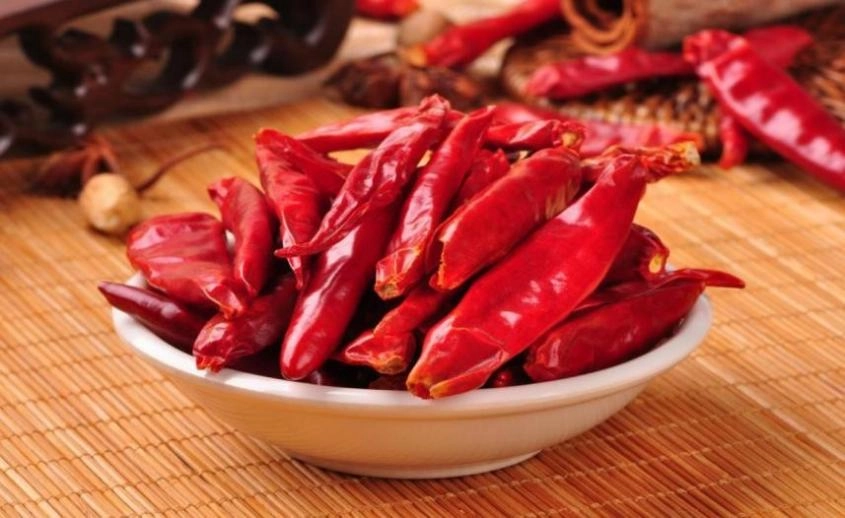
Image: Versatile dried chili pod ready for various industrial applications.
These advantages demonstrate how Xuri Chili’s new generation products are not merely ingredients but strategic assets that contribute to product integrity, operational efficiency, and market differentiation for our B2B partners.
Choosing the right supplier for industrial chili pepper pods is critical for consistency, safety, and supply chain reliability. While many vendors offer dried chili, Xuri Chili distinguishes itself through a commitment to advanced processing, stringent quality control, and comprehensive customer support. This comparison highlights key differentiating factors:
| Feature | Xuri Chili (New Generation) | Generic/Standard Supplier |
|---|---|---|
| Sourcing & Traceability | Direct partnerships with certified farms, full traceability from seed to shipment. | Often multi-source, limited or opaque traceability, reliance on brokers. |
| Drying Technology | Controlled industrial dehydrators, optimized for color, capsaicin, and aroma retention. | Sun-drying or basic tunnel dryers, higher risk of oxidation and microbial issues. |
| Microbiological Control | Pre-emptive cleaning, advanced drying, post-processing pasteurization (optional), rigorous lab testing (ISO 22000, HACCP certified). | Basic cleaning, less stringent testing, higher incidence of microbial non-compliance. |
| Aflatoxin Compliance | Consistent <10ppb (total), often <5ppb, with batch-specific Certificates of Analysis. | Variable levels, potential for non-compliance, less frequent testing. |
| Scoville Heat Unit (SHU) Consistency | HPLC-verified, tight SHU ranges, tailored to client needs. | Estimated SHU, wider variations, often sensory-based. |
| Customization Options | Wide range of varieties, SHU levels, processing formats (whole, flakes, powder), and packaging. | Limited varieties and standard formats. |
| Certifications | ISO 22000, HACCP, FDA Registered, Kosher, Halal (on request). | Basic food safety, often lacking comprehensive international certifications. |
| Customer Support | Dedicated account management, technical support, comprehensive documentation, post-sale service. | Transactional, limited technical or post-sale support. |
This comparison underscores Xuri Chili’s commitment to delivering not just a product, but a complete solution that integrates quality assurance, technical expertise, and client-centric service for their dried chili pod offerings. Our approach minimizes risks and maximizes value for our industrial partners.
Understanding that B2B clients have unique and often highly specific requirements, Xuri Chili specializes in providing customized solutions for chili pepper pods. Our flexibility and technical capabilities allow us to tailor products to precise industrial specifications, ensuring optimal integration into your manufacturing processes and final product formulations.
- Variety Selection & Blending: We can source specific chili varieties based on your desired flavor profile, color, and heat level. For complex needs, we offer custom blending of different dried chili pod varieties to achieve a unique sensory experience or target a specific SHU range.
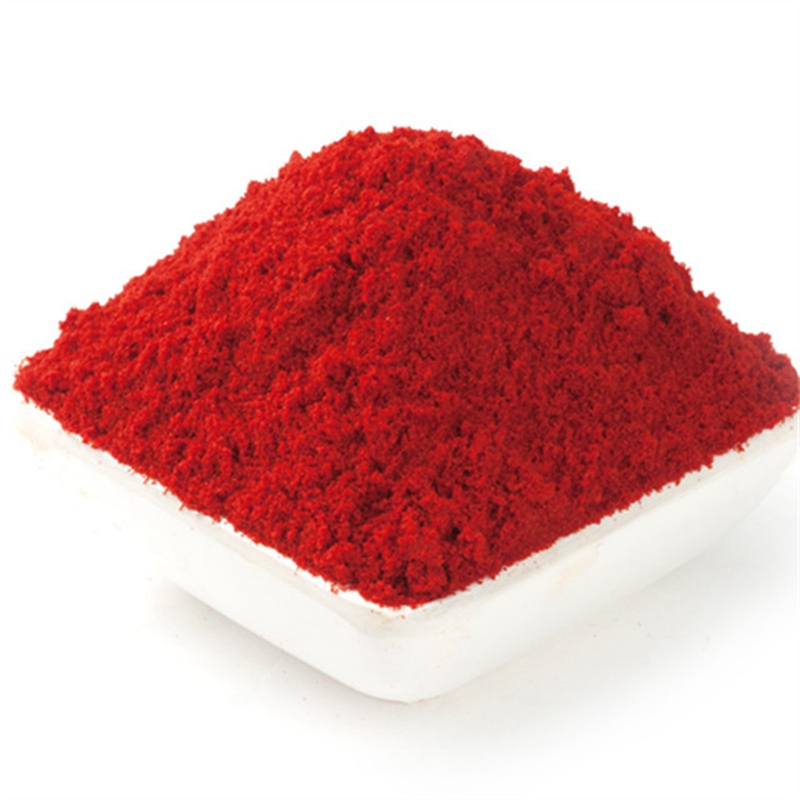
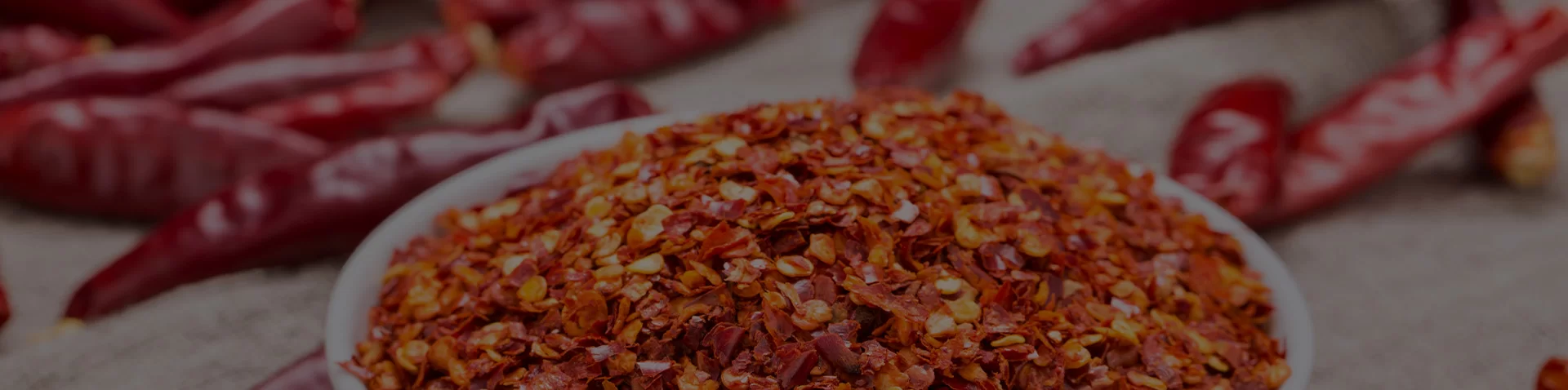
- Granulation & Milling: Beyond whole pods, we offer custom grinding to various mesh sizes – from coarse flakes to fine powders – ensuring perfect compatibility with your machinery and end-product texture requirements.
- Heat Level Standardization: Using advanced HPLC analysis, we can precisely standardize the capsaicinoid content, guaranteeing a consistent Scoville Heat Unit (SHU) value across all your orders. This is crucial for brands maintaining a signature heat profile.
- Enhanced Microbial Reduction: For clients with exceptionally stringent microbiological specifications, we can implement additional processing steps such as steam sterilization or gamma irradiation, ensuring ultra-low microbial counts without compromising product quality.
- Tailored Packaging: From bulk bags (e.g., 25kg, 50kg, 1MT totes) to specialized vacuum-sealed pouches designed to preserve freshness and extend shelf life, we adapt our packaging solutions to your logistical and storage needs.
- Ingredient Certification: We can work with you to meet specific certification requirements, including organic, Kosher, Halal, or non-GMO, provided the raw materials are available and verifiable.
Our technical team collaborates closely with R&D departments to develop bespoke solutions, transforming the dried chili pod into a perfectly tailored ingredient for your innovations.
Our commitment to quality and technical excellence has yielded measurable benefits for our B2B partners across various industries. Here are illustrative examples of how the new generation dried chili pod has driven success.
Client: A prominent international hot sauce producer, requiring high volumes of consistent, medium-heat chili. Previously faced batch inconsistency and seasonal supply issues with their existing supplier.
Challenge: Maintaining a consistent Scoville Heat Unit (SHU) and color profile across millions of bottles annually, while ensuring year-round supply and strict microbial compliance.
Solution: Xuri Chili provided a custom-blended chili pepper pods solution, specifically standardized to 30,000 SHU with an ASTA color value of 90. We implemented a long-term supply agreement, guaranteeing consistent quality and volume, supported by comprehensive Certificates of Analysis for every batch.
Results: The client achieved a 15% reduction in ingredient quality control checks due to Xuri’s consistent product. Product recall risks related to microbial contamination were eliminated, leading to significant savings in operational costs and enhanced brand trust. Production efficiency improved by 10% due to predictable raw material performance.
Client: A leading nutraceutical firm developing topical analgesic creams, requiring high-purity capsaicin-rich raw material.
Challenge: Sourcing dried chili pod with exceptionally high and consistent capsaicinoid content, free from heavy metals and pesticide residues, for pharmaceutical-grade extraction.
Solution: Xuri Chili supplied a specific high-SHU variety (e.g., Habanero or Scotch Bonnet) with guaranteed capsaicinoid levels exceeding 1.2% by weight, backed by extensive heavy metal and pesticide residue testing. We provided a steam-sterilized product to meet stringent pharmaceutical-grade microbial limits.
Results: The client improved their capsaicin extraction yield by 8% and reduced the need for secondary purification steps, cutting production costs by 5%. The purity and consistency of the dried chili pod enabled faster product development and regulatory approval for new formulations.
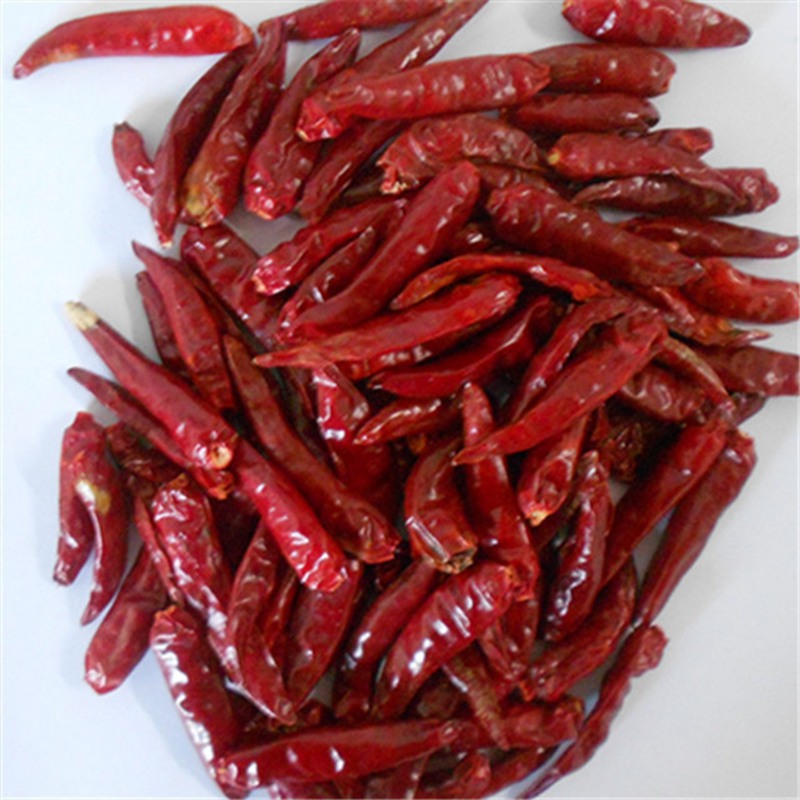
Image: High-quality dried chili pod in bulk, ready for industrial processing.
At Xuri Chili, building long-term trust with our B2B partners is foundational. We ensure transparency, reliability, and robust support mechanisms for our new generation dried chili pod products.
Q: What is the minimum order quantity (MOQ) for dried chili pod?
A: Our standard MOQ is typically 1 metric ton (MT) for bulk whole pods, but this can vary based on the specific variety and customization requirements. Please contact our sales team for detailed information.
Q: How do you ensure the heat consistency of your chili products?
A: We employ High-Performance Liquid Chromatography (HPLC) to accurately measure capsaicinoid content, which translates to Scoville Heat Units (SHU). Every batch undergoes rigorous testing, and we provide a Certificate of Analysis (CoA) with precise SHU values.
Q: Are your chili pods tested for aflatoxins and pesticides?
A: Absolutely. Our products are thoroughly tested for a wide panel of pesticides and comply with international limits for aflatoxins (typically <10 ppb total). All test results are available on our CoA.
Q: Can you provide samples for evaluation?
A: Yes, we encourage potential clients to request samples to assess our product quality firsthand. Please contact our sales department to discuss your specific needs and sample requests.
Our lead times for standard orders typically range from 2-4 weeks, depending on the volume and specific processing requirements. For customized orders, lead times will be confirmed upon project scope definition. We maintain robust inventory levels and efficient logistics networks to ensure timely and reliable fulfillment globally. Our supply chain is designed for resilience, minimizing disruptions.
Xuri Chili stands behind the quality of our dried chili pod products. We warrant that all products delivered will meet the specifications outlined in our Certificates of Analysis and comply with all agreed-upon quality standards and regulatory requirements. Any deviations must be reported within a specified period (typically 7-14 days post-delivery) for investigation and resolution.
Our dedicated customer support team is available to assist you with inquiries, technical assistance, and order management. We offer:
- Technical Consultation: Expert advice on product selection, application, and formulation challenges.
- Dedicated Account Managers: Personalized service and streamlined communication for all your needs.
- Comprehensive Documentation: Access to Certificates of Analysis, technical data sheets, and regulatory compliance documents.
- After-Sales Support: Prompt resolution of any post-delivery concerns or feedback.
For immediate assistance, please visit our contact page at
- ISO 22000 Food Safety Management Systems – Requirements for any organization in the food chain. International Organization for Standardization.
- Codex Alimentarius Commission, General Standard for Contaminants and Toxins in Food and Feed (CODEX STAN 193-1995). Food and Agriculture Organization of the United Nations.
- Scoville, W. L. (1912). "Note on Capsicum." Journal of the American Pharmaceutical Association, 1(9), 453-454.
- American Spice Trade Association (ASTA) Analytical Methods.
- United States Food and Drug Administration (FDA) Guidance for Industry: Action Levels for Aflatoxins in Human Food and Animal Feed.